People Power Media’s Groundbreaking Housing Report
“Who is San Francisco Building For?”
An analysis of all housing units actually built, not just entitled from 2015 -2022.
For the entire period of study, we compiled for the first time:
● Where all new housing was actually built in the City;
● Housing analyses by neighborhood; and
● How much newly built housing cost to rent.
Key Findings
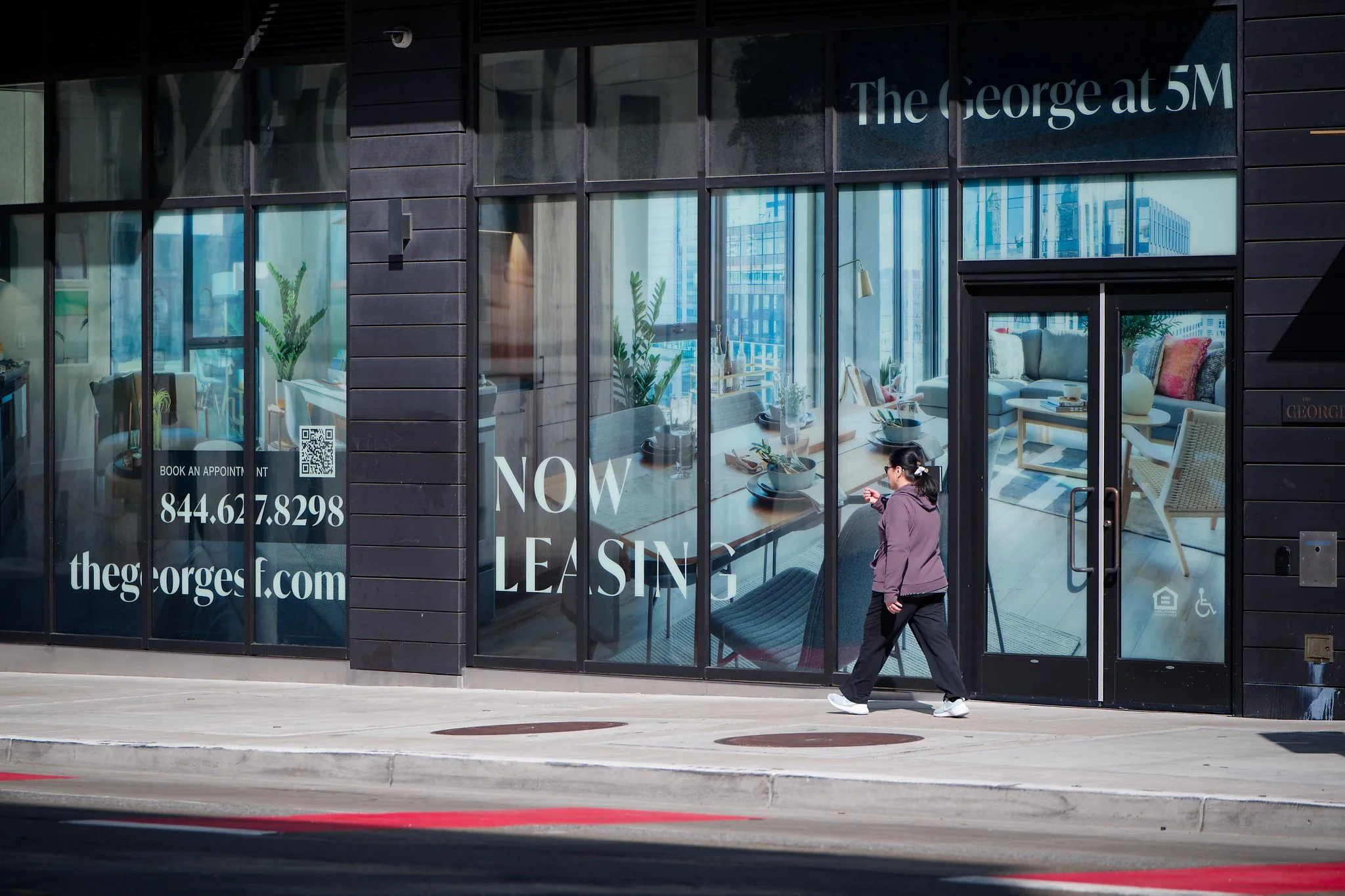
#1 The City is over-building housing most San Franciscans cannot afford.
#2 People of Color Neighborhoods, low income communities, and people who work in San Francisco, especially minimum wage workers and essential workers, cannot afford the housing being built.
#3 Development and gentrification are happening in all areas of San Francisco, including the western and central parts of the City.
#4 The neighborhoods in the east side of San Francisco experience the most development and gentrification.
Read the full People Power Media Report
Download: See PDF online & download by clicking the button.
View the Report: click on the report image to the right/below to view pages.
Conclusion
This report’s Key Findings show clearly that San Francisco's housing policies and priorities are resulting in housing that is not meeting the needs of San Franciscans or of people who work in essential jobs in San Francisco.
Recognizing that market-rate developers will always prioritize their own interests, the Key Findings of this report force us to reassess the role of the public sector. Rather than using zoning and regulatory mechanisms solely to encourage market-rate development, the public sector, as the sector that is accountable to the long-term needs of its constituents, must prioritize resources and programs for building and preserving permanently affordable housing at a scale sufficient to meet the needs unmet by market-rate developers.
This report clearly details the affordable housing needs of San Franciscans and of people who perform essential work in San Francisco. This report also clearly shows the gap between those needs and the housing built by market-rate developers. Therefore, it is absolutely crucial that the City of San Francisco, in partnership with the State of California and the Bay Area region, play an active role in developing housing that the market will not develop in order to truly meet the housing needs of San Franciscans and workers in San Francisco.
Key Finding #1: The City is over-building housing most San Franciscans cannot afford.
The City built only about half of what was needed for affordable housing and double what was required for unaffordable, market-rate housing, based on analysis of both publicly reported data and data from our New Housing Dataset.
The City over-reported its numbers for affordable housing, and is inconsistent about the numbers it reports regarding fulfilling housing production goals.
Key Finding #2: People of Color Neighborhoods, low income communities, and people who work in San Francisco, especially minimum wage workers and essential workers, cannot afford the housing being built.
Median income households in nearly all People of Color Neighborhoods in San Francisco pay more than they can afford for rent. The opposite is true in all of the Predominantly White Neighborhoods, where new market-rate housing is in line with median household incomes.
Essential workers and minimum wage workers who work in San Francisco cannot sustainably afford to live in the new housing that developers are building in the City where they work.
The neighborhoods with the worst cost gaps are the Tenderloin, Chinatown, North Beach, Nob Hill, South of Market, and the
Western Addition.
Key Finding #3: Development and gentrification are happening in all areas of San Francisco, including the western and central parts of the City.
Developers are building new multi-unit, market-rate housing throughout San Francisco, contrary to the common narrative that San Francisco has not built housing outside of the eastern areas of the City.
Gentrification, as measured through cost gap and increased housing costs, is occurring Citywide.
New developments increase the prices for both market-rate housing (based on comparables) and affordable housing (due to increasing Area Median Income).
In areas of San Francisco, where there is less density, such as the Outer Sunset, a midsize market-rate development will have a larger relative impact on housing prices.
Key Finding #4: The neighborhoods in the east side of San Francisco experience the most development and gentrification.
The neighborhoods with the most development and gentrification are all on the east side of San Francisco. These are South of Market, the Financial District/South Beach, the Mission, Mission Bay, and the Tenderloin. These neighborhoods make up nearly 75% of all of the City’s total development.
Nearly all of these neighborhoods also had the highest Rates of Change in the City, which is another indicator of gentrification.
There is a prevalence of vacancies in neighborhoods with the most development, likely because that housing is unaffordable to most residents.

First video in series. Follow Us on Socials for the whole video series or watch on our Vimeo.
Video for Key Finding 2
Overall Housing Development in San Francisco from 2015 - 2022
The Anti-Eviction Mapping Project created this map using our Comprehensive Dataset
We are making available all of the data we used in the report open source. See links in the report or contact us.
So who is San Francisco building for? & NOT building for?
San Francisco is not building housing most San Franciscans can afford. Period. Our report clearly shows that People of Color, low-income and working class residents, and workers-- especially essential & minimum wage workers— cannot afford what is being built. So, who does that leave? What is the answer to “Who is SF [actually] building for?”
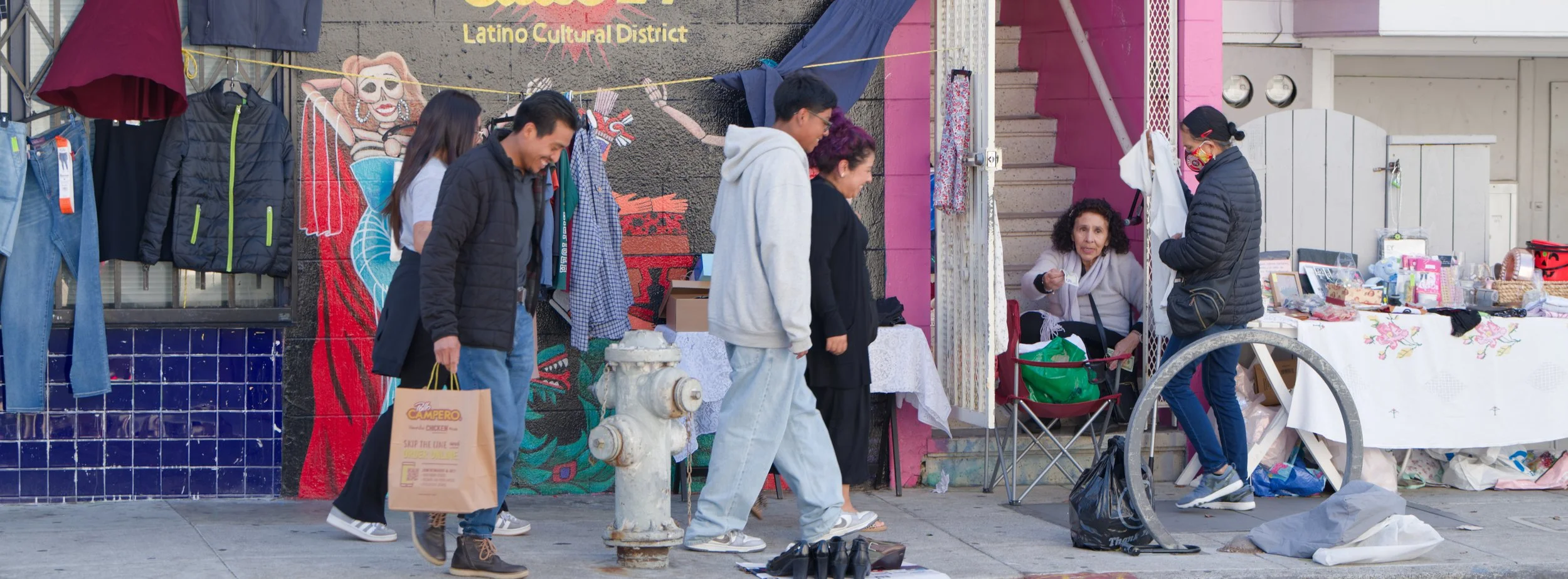
The housing that was actually built at that time— what the City entitled and market-rate developers built— and the housing they are continuing to entitle at record rates now— was double what was “needed” for luxury housing during that time. What they built was only half the legally required affordable housing. What they built was housing that was in line with the incomes in Predominantly White Neighborhoods. What they built was out of reach and prices out most residents in the neighborhoods with the most development in the City— especially the POC and lower income neighborhoods of the South of Market, the Tenderloin, the Mission, Chinatown and North Beach.
What they built was housing that priced out and was out of reach of residents and workers. And they built this everywhere, in the westside, central SF, but especially in those eastern neighborhoods.
Here in San Francisco, with the yimby developer lobby, corrupt politicians, tech oligarchs & billionaires galore, we’re in the Belly of the Beast and we’re the canary in the coal mine of the US. But what that also means is our organizing evolves & gets stronger everyday. We will not be coopted. AND that’s why we have to scrape for every piece of systemic change by:
Protecting what our ancestors and our current on-the-ground organizing already achieved;
AND by dismantling racist & oppressive systems;
AND by creating the neighborhoods we need in real life. Always. Together.
Our communities need housing we can all afford. Housing isn’t just a right, it’s a human requirement for survival.
The mission of our organizing through the Race & Equity in all Planning Coalition (REP-SF) is to build a future in San Francisco with diverse communities, stable, affordable housing and equitable access to resources and opportunities.